
Our Treatments
Schedule your eye exam today
- Flexible care options
- Customized care assessments
- Individualized care planning
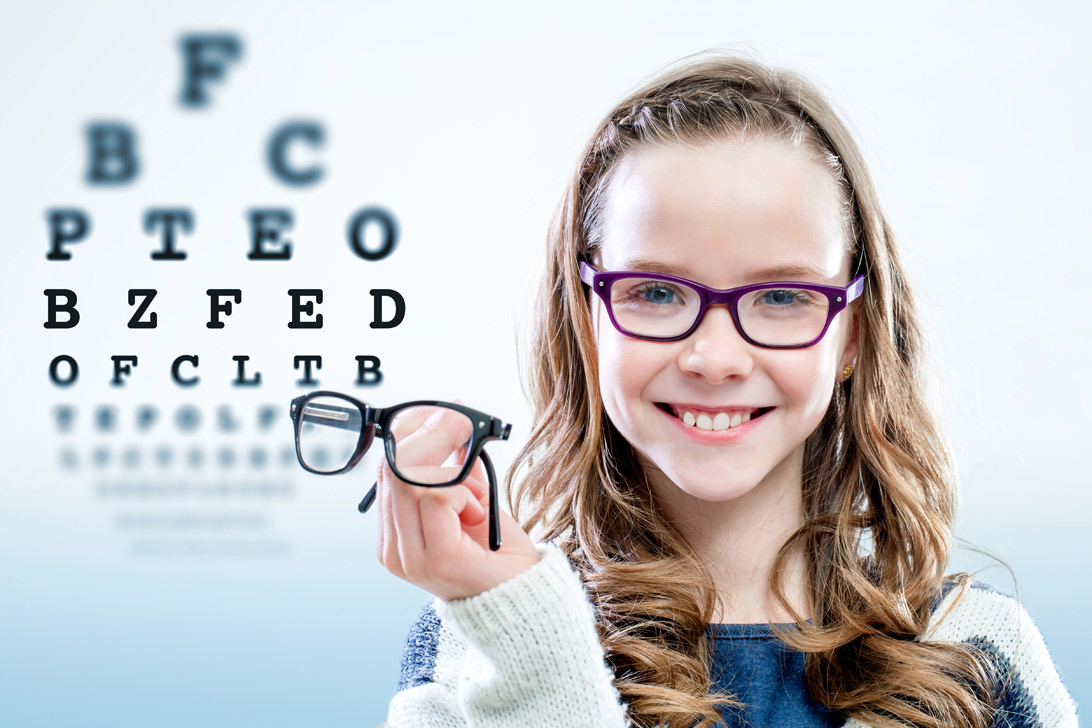
Children’s vision is special in that it develops very quickly during the first 6-12 months of age, then becomes more refined during the toddler years. This process of refinement of one’s vision depends on continual feedback from visual input from the child’s environment and the processing of that stimulation in the brain. It is also supported by the continued enhancement of eye muscle movements and eye coordination. The brain becomes more “hard wired” during these early years. This process provides the potential for either “normal vision” to be achieved or if there is inadequate stimulation due to insufficient feedback between the eye and brain (due to uncorrected refractive error, media blur or eye coordination problems) then “amblyopia” or a “lazy eye” may develop. While it is possible to improve amblyopia with a variety of treatment options, it is best to prevent it from developing in the first place by providing the best vision possible during the early stages of life.

Infants
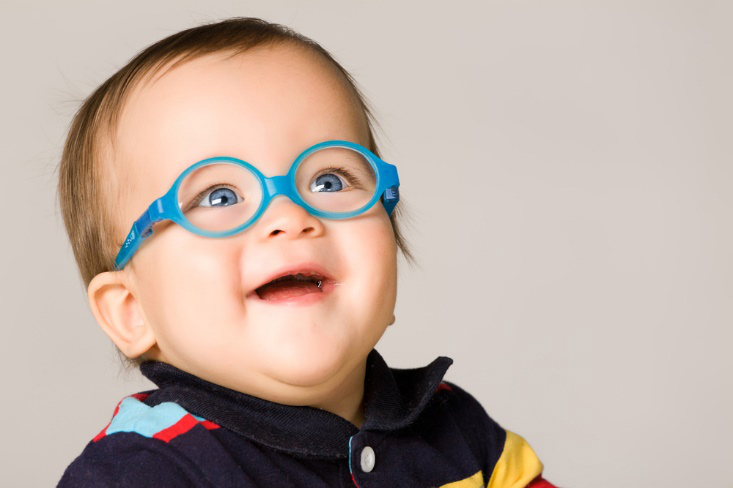
Infants should have their first eye examination between the age of 6-12 months old. Although infants are unable to read an eye chart or give subjective feedback during their exam like older children or adults, special procedures and equipment enable us to verify an infant’s overall eye health as well as their estimated prescription and vision. Determining if they are meeting age-appropriate milestones for their visual development at this time allows us to gauge their risk for developing amblyopia and their potential need for glasses or other intervention to improve their vision. Normal vision is a critical component in a child’s brain development. Their ability to understand, learn and engage in the world around them is impacted by the quality of their vision.

School Performance
Many vision problems can be corrected more easily with early diagnosis and treatment. Reports have estimated that up to 25% of students in grades K 6 have vision-related problems, which may contribute to poor school performance. The visual system matures rapidly during the first few years and it is important to identify any problems that may interfere with normal vision development.
Eye Examinations for Infants, Toddlers and School-aged Children
A comprehensive eye examination will assess visual acuity, refractive status, ocular health, eye tracking, eye focusing, and eye teaming. Visual acuity measures how clearly a child sees objects. Refractive status measures for nearsightedness (myopia), farsightedness (hyperopia), and astigmatism. The child is evaluated for any eye health problems, including active pathology or congenital anomalies. Eye tracking is the ability of the eyes to fixate, smoothly follow and look between objects or printed words. Eye focusing is the ability to efficiently change and sustain focus while reading. Eye teaming is the ability to coordinate both eyes accurately and without fatigue or excessive effort. Accurate eye teaming is also important for accurate two-eyed depth perception or stereopsis. Early detection and management is recommended to prevent vision loss or eye disease and to provide appropriate vision development. To learn more about how the examination process differs for infant, preschool, and school-aged children visit the links.
https://www.aoa.org/healthy-eyes/eye-health-for-life/school-aged-vision?sso=y
HAND - EYE COORDINATION & SPORT Performance
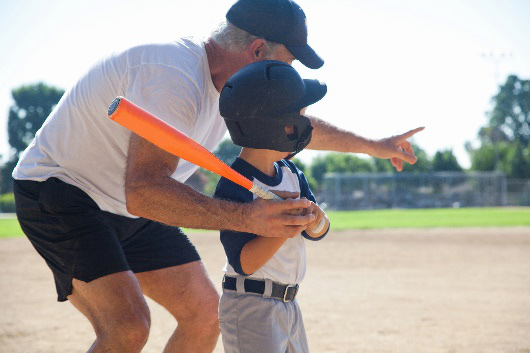
Hand – Eye Coordination and Sports Performance are influenced by eye “teaming” (ability for one’s eyes to work together) as well as the brain’s ability to process and react to the visual input received by the eyes. If one of these processes are not working efficiently, it may contribute to poor performance. The good news is that these skills can be trained and improved with treatment. During an eye examination, our doctors test eye teaming, eye movement/tracking ability and stereopsis (depth perception) to determine if there may be an eye coordination problem that needs to be addressed.

- Make an appointment
Call today to schedule an appointment to see if contact lens wear might be a good fit for your lifestyle!
Normal Office Hours Open
Monday – Friday
7:30pm – 5:30pm
Saturday
CLOSED
Sunday
CLOSED
After hours emergency care available:
989-773-2020
